This is where A/B testing becomes invaluable. By systematically testing different elements of your emails, you can uncover the strategies that truly resonate with your audience. This data-driven approach allows you to refine your campaigns, improve performance metrics, and ultimately drive better results.
A/B testing, also known as split testing, is a method of comparing two variations of an email to determine which performs better based on specific metrics. It involves sending version A to one segment of your audience and version B to another, then analyzing the results to identify the more effective approach.
How A/B Testing Works
- Reduces guesswork in crafting cold emails.
- A/B testing is not just a best practice; it’s a necessity for campaigns looking to achieve consistent and measurable success.
Elements of a Cold Email to A/B Test
- Benefit-focused: “Save 30% on [Specific Pain Point] Today”
- The body of your email determines whether recipients engage further or move on. A/B testing content involves experimenting with:
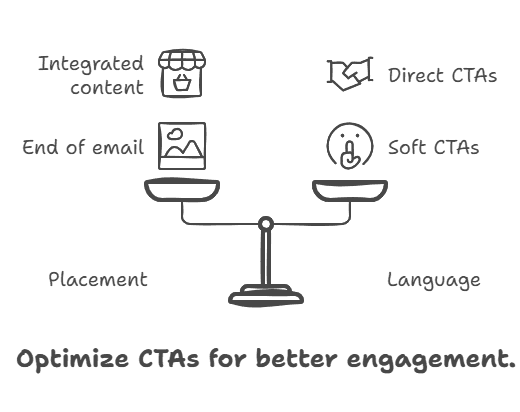
- The call-to-action (CTA) is where you guide recipients to take the next step. Test:
- Open Rates: Reflect the impact of subject lines and sender names.
- Personalized emails outperform generic ones. Test different levels of personalization:
- When and how often you send emails can influence engagement. Experiment with:
- Executing an effective A/B test requires careful planning and adherence to best practices.
1. Define Your Goals
Focus on a single variable, such as subject lines or CTA wording. Testing multiple variables at once can lead to inconclusive results.
3. Segment Your Audience
Develop two variations of your email that differ only in the variable being tested. Keep all other elements consistent.
5. Use an Email Automation Tool
Analyze the results of your test to determine the winning variation. Use this insight as a baseline for future tests.
Measuring the Success of A/B Tests
- Click-Through Rates: Indicate how well your content and CTA engage recipients.
- Reply Rates:
- Conversion Rates: Assess the ultimate success of your CTA in driving desired actions.
- Drawing conclusions from small sample sizes.
- Test on a small audience segment before rolling out changes to your entire campaign. This approach works well, especially when running email outreach for startups, where experimenting on a limited group can reveal what resonates before scaling.
2. Keep Tests Time-Bound
Ensure your list is free of invalid or outdated email addresses to maintain high deliverability.
4. Continuously Iterate
Maintain a record of test results to inform future campaigns and avoid repeating mistakes.
Case Study: A/B Testing in Action
- Version A:
- Version B: “Struggling with Time Management? Try This”
Subject lines are often the first—and sometimes the only—thing recipients see. A/B testing them can significantly impact open rates.
Refining Campaigns Based on Data
- Identify patterns in what works and apply them across future campaigns.
Results: Version B achieved a 25% higher open rate, leading to a 20% increase in replies.
A/B testing is an essential tool for optimizing cold email campaigns. By systematically testing and refining elements such as subject lines, content, and CTAs, you can achieve measurable improvements in engagement and conversions.
Ready to enhance your cold email campaigns? Start incorporating A/B testing today and unlock your outreach potential.


